The interconnected, growing threat of TB in animals and humans
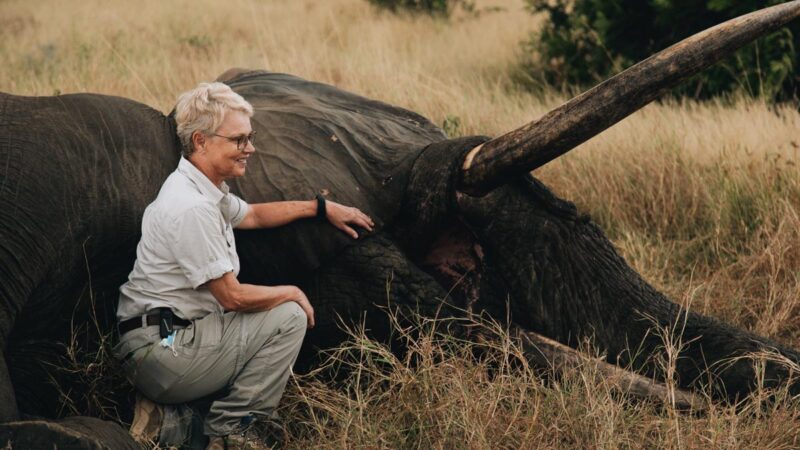
Back in 2016, the death of a certain African elephant bull in the Kruger National Park (KNP) left researchers puzzled.
Rangers found the animal’s carcass near the Tshokwane camp in the southern part of the park. The elephant, estimated to be approximately 45 years old, had no external wounds or visible injuries, but its condition was poor.
Initially, scientists suspected the cause of death to have been bovine tuberculosis (TB), caused by Mycobacterium bovis. Bovine or animal TB is a significant, infectious disease affecting livestock and wildlife populations. M. bovis was diagnosed in the park in 1990 and is now endemic to this conservation area.
But this case was different. Genomic sequencing and analysis showed that the elephant had suffered from human TB caused by Mycobacterium tuberculosis, which is transmissible from humans to animals. This is the same TB bacteria that cause serious illness in humans worldwide and affect predominantly the lungs.
This was the first time researchers had identified a fatal case of human TB in a free-ranging African elephant.
The finding suggested that M. tuberculosis could be a greater threat to wildlife populations in Africa than previously realised.